
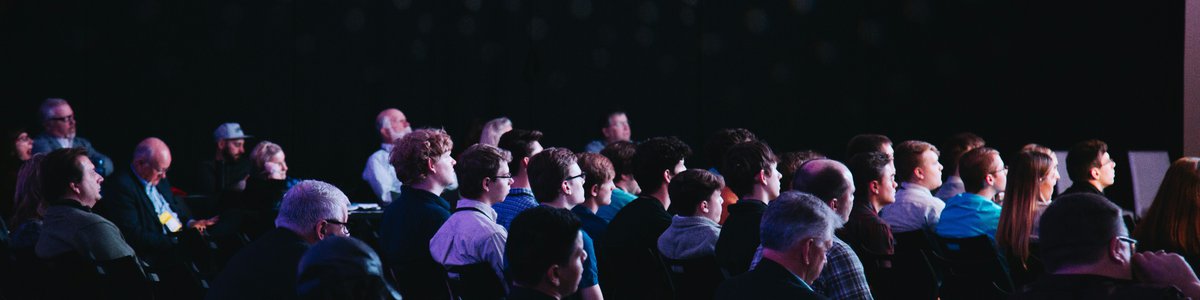
At the end of March the N8 CIR Digital Research Infrastructure (DRI) Retreat was held in Manchester. This event is open to all digital research technical professionals (dRTPs) and saw representatives come together from universities across the UK and research funding bodies. Research IT sent representatives from both Research Infrastructure, Research Software Engineering and Research Data Management.
The programme comprised of panel sessions and round-table discussions, considering topics aimed towards supporting the UK's goal of building a strong, connected, and sustainable digital research system. As well as the scheduled discussion there were opportunities in between and around the sessions to meet colleagues from other institutions and to discuss our shared experiences and learn from each other.
The sessions were arranged under the headings Interconnected DRI, Human DRI, FAIR DRI, Sustainable DRI, and Sovereign DRI.
Discussions covered a wide range issues that affect us on a day-to-day basis. while also looking forward to how they will change the way that we work - and indeed to world that we will work in in the future.
We discussed the importance of DRI professionals within the wider academic community, how we might improve communication between us and researchers, and how to fill in any gaps in communication.
It may not surprise anyone to learn that the key things that we identified were, “talking to each other”, and “listening to each other”, but the areas we took away to work on ourselves focused on publicising the services that we can offer to researchers and trying to guide researchers to the most suitable resource for them – often they are focused on having individual resources when more powerful shared platforms are available.
Career progression, leadership development and workplace culture saw lively discussion, as did the opportunities and challenges presented by our approach to developments in AI within the academic environment and beyond.
The sustainability of IT was an area in which experience varied widely with different institutions having widely differing challenges to address, while still addressing the common themes of minimising environmental impact while maximising the effectiveness of the installed resource base.
With Manchester being the host city, it fell to delegates from the UoM to act as de facto hosts and it was a pleasure to show them the best face of the city to the visitors. Some of us acted as guides to the cultural highlights of Manchester, with the pubs seeming to be the favourite, only slightly ahead of MOSI and the art galleries.
As a first-time delegate I was not sure what to expect and was pleased to find an engaging and worthwhile exchange of experience and viewpoints. I would certainly recommend attendance to anyone considering going to a future event.